STOP
FOOD
POLLUTION
The food environment is making us sick. It's time to name the problem and fix it.
It's food pollution
Healthy lives depend on healthy environments: the air we breathe, the water we drink, and the food we eat. Governments have a responsibility to protect us from commercial activities that undermine public health.
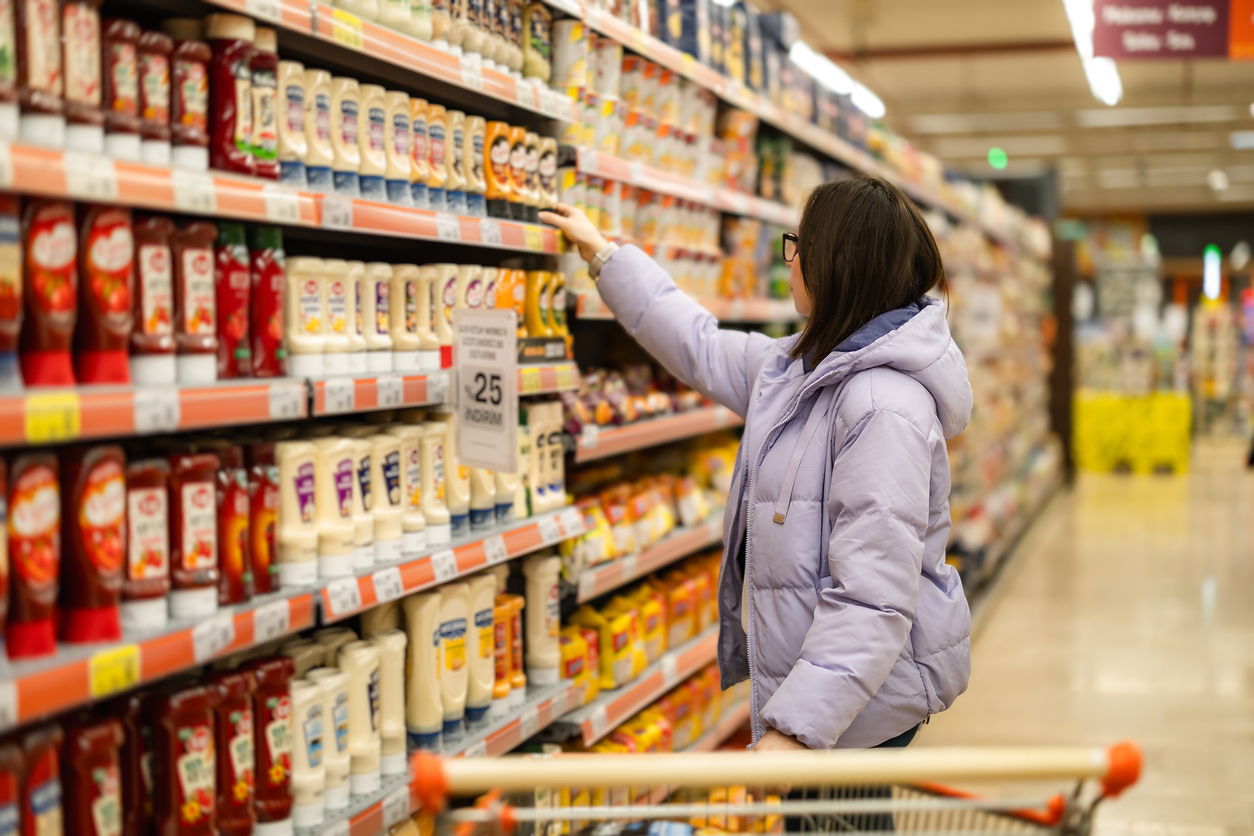
Yet today's food environment is filled with ultra-processed products that are designed to maximize consumption, heavily marketed, and available everywhere. As a result, obesity, type 2 diabetes, cardiovascular disease, cancer, and many other chronic diseases continue to rise.
Our children are growing up in this environment too, surrounded by products and marketing that shape their eating habits long before they are old enough to make informed choices. When the environment around us makes us sick, the problem is no longer just about personal responsibility.
This is food pollution—or voedselvervuiling, as we call it in Dutch.
What We Want
Our priority should be to keep people healthy.
Obesity medications and lifestyle interventions are important. They help people today. But they cannot solve the problem on their own. They treat the consequences of an unhealthy food environment, not its cause.
Healthier food environments make every other intervention more effective. Lifestyle changes become easier to sustain, obesity medications work in a more supportive environment, and fewer people develop obesity and other chronic diseases in the first place.
That requires stronger leadership from policymakers and politicians to create a healthier food environment by reducing the marketing, availability, and influence of unhealthy food products, especially around children.
Add your name if you believe it's time for politicians to protect us from food pollution.
Three Priorities
Keeping people healthy requires political action. We call on our government to:
1. Protect children
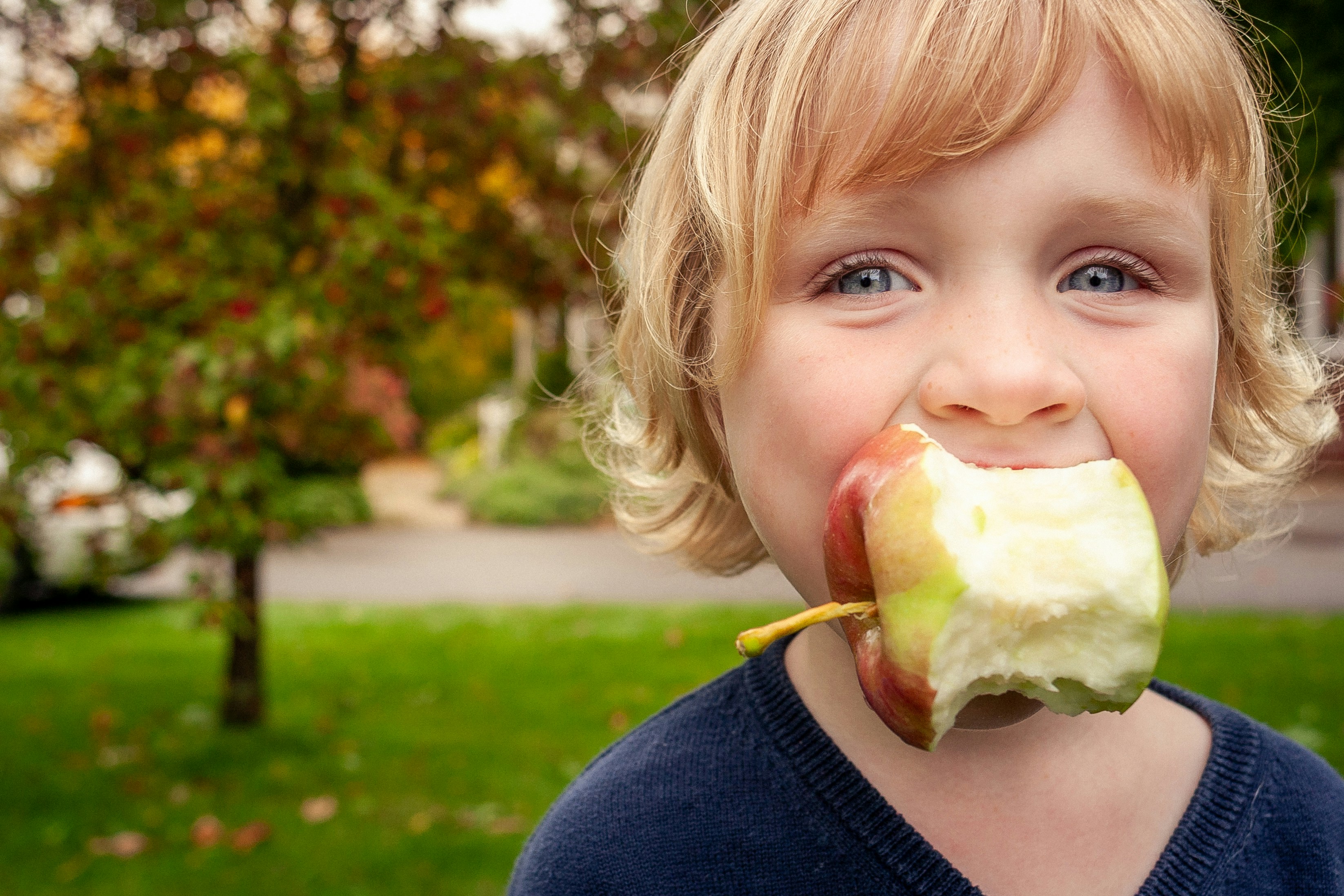
Children deserve to grow up in food environments that support their health. Stop the marketing of unhealthy food and drinks to children, both online and offline.
2. Price for Health
Our food system should reward health, not disease. Tax products that make us sick and use the revenue to make healthy food more affordable.
3. Change environments
Healthy choices should be the easiest choices. Create healthier food environments in supermarkets, schools, workplaces, and public spaces.
In the News
Did you know?
More than half of Dutch adults are overweight (1)
Obesity has more than tripled in the Netherlands in the last 40 years (2)
60% of supermarket sales fall outside the Schijf van Vijf (3)
Half of adolescents drink an average of 90 sugar cubes every week (4)
Over 1 billion people worldwide already live with obesity (5)
References
1. https://www.staatvenz.nl/kerncijfers/overgewicht-en-obesitas-volwassenen?utm_source=chatgpt.com
2. https://www.rivm.nl/en/news/obesity-rate-tripled-over-past-40-years?utm_source=chatgpt.com
3. https://www.wur.nl/nl/nieuws/vier-op-de-tien-verkochte-levensmiddelen-past-schijf-van-vijf?utm_source=chatgpt.com
4. https://vu.nl/nl/nieuws/2026/helft-jongeren-drinkt-wekelijks-gemiddeld-90-suikerklontjes
5. https://www.who.int/news-room/fact-sheets/detail/obesity-and-overweight
About Us
Stop Food Pollution is a public awareness initiative that aims to introduce food pollution as a new way of understanding obesity and chronic disease. It translates the scientific concept of the Commercial Determinants of Health (CDoH) into language that resonates with the public and policymakers.
By shifting the conversation from individual responsibility to the food environment, the initiative seeks to build support for stronger political action and healthier food systems.
Like movements such as Stop Fossil Subsidies, Tobacco Free Generation, and Zero Waste, Stop Food Pollution aims to change the public narrative first, creating the momentum needed for meaningful policy change.
Stop Food Pollution 2026. All rights reserved.